
Understanding the spread of Eimeria Oocysts inside the farm

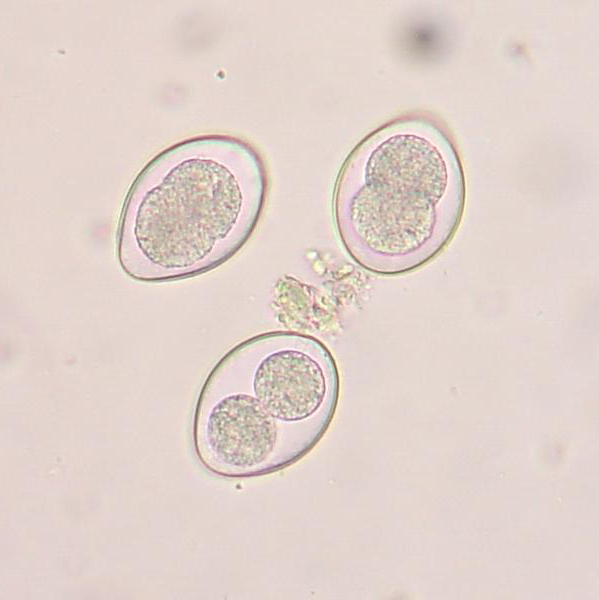
What are Eimeria Oocysts Eimeria is a type of protozoan parasites belonging to the coccidia family.  Oocysts are the spores formed by Eimeria that end up in the environment. Once ingested by the animal, they follow a definite life cycle and typically infest the cells lining the intestinal mucosa of animals, especially poultry, causing infections …

Managing coccidial risk in livestock: natural solutions rising to meet the need for a more sustainable market

Advancements and Challenges in Poultry Production: The economic impact of coccidiosis Over the last few decades, the performance of poultry production has improved considerably, thanks to major advances in genetics, feed and rearing parameters. The intensive production system, characterized by high stocking densities and large numbers of birds, is leading to an increase in challenges. …

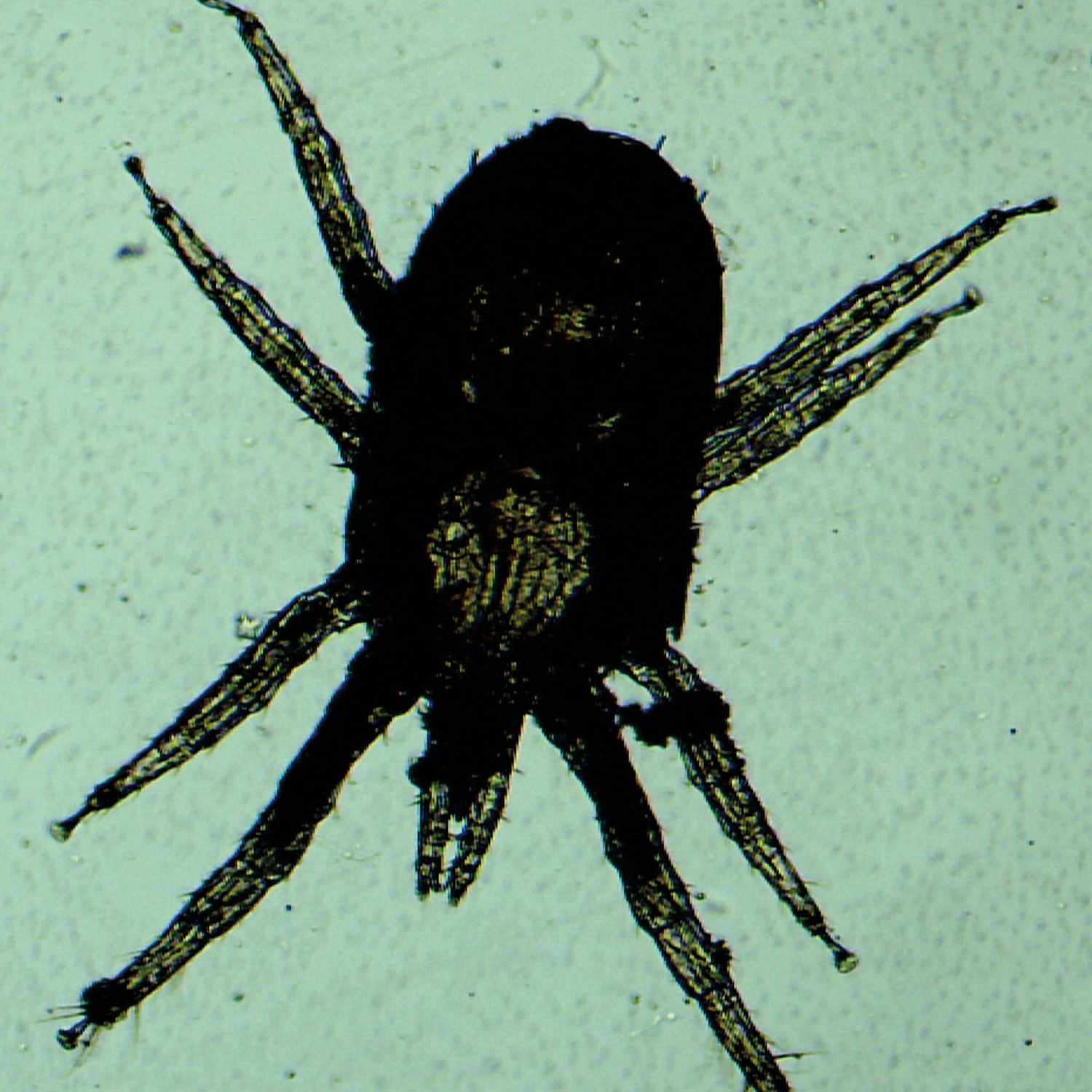
Red mites: an all-out strategy?

Are combined treatments the best strategy for poultry red mite management? Should the fight against poultry red mites go through a combination of treatments? The Belgian Experimental Poultry Center tried to answer this question through a large-scale trial in order to measure the effect of a strategy combining three types of treatment: predatory mites, acaricides …

Managing birds’ stress for better performances at slaughtering

Stressful events during poultry farming have an impact on birds’ Physiological status The transport of birds from the farm to the slaughtering house is known to induce stress on the animal. Birds are exposed to a variety of potential stress factors such as handling, feed withdrawal, noise, vibration, temperature oscillation, social disruption, crowding, and restriction …

Using natural aromatic essential oils to control red mite populations

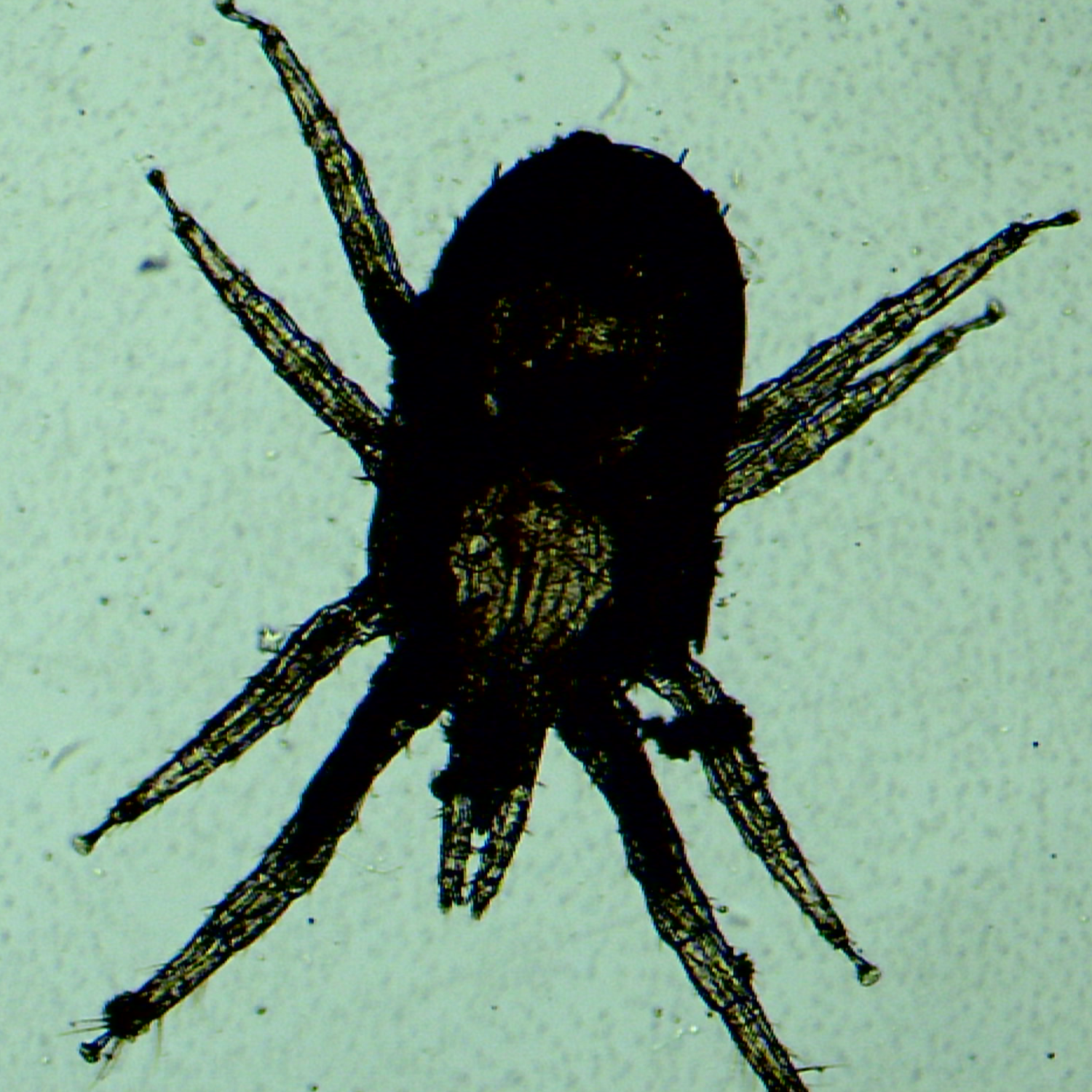
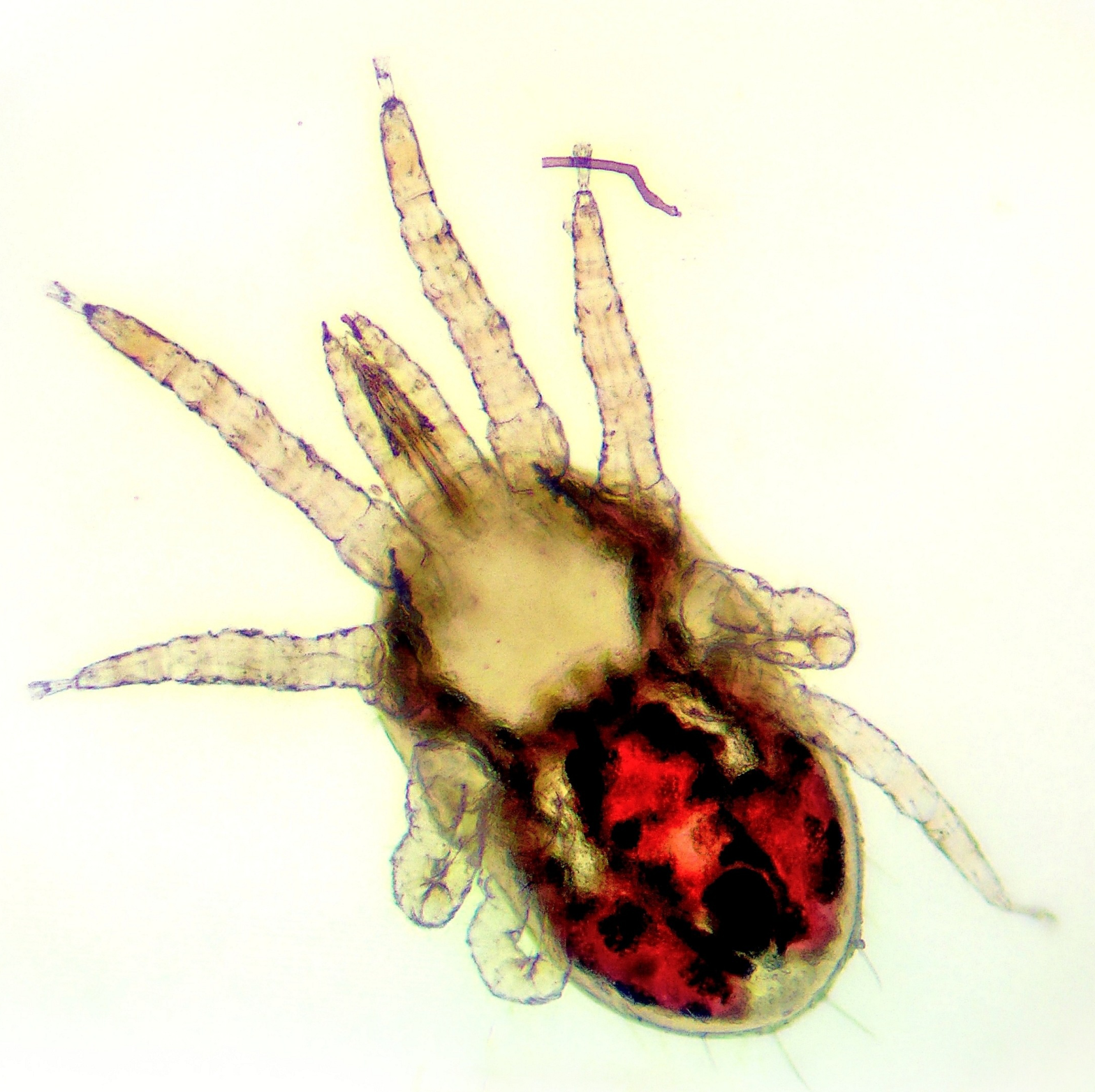
Poultry Red Mite, an ectoparasite impacting the Egg production industry Why are poultry red mites harmful to laying hens? Poultry red mites, scientifically known as Dermanyssus gallinae, are ectoparasitic arachnids that infest laying hens and other birds and feed on their blood, causing various health and economic issues in laying hen farming. These small mites …

Natural alternatives for coccidial risk management, an expanding market

The growing need of natural alternatives to Antibiotics In recent decades, the performances in poultry productions have considerably improved, thanks to major advances in genetics, feed and breeding parameters. This considerable productivity gain has unfortunately not solved the issue of coccidiosis, a frequent disease with an estimated annual cost of 3 billion dollars globally. Still …

Nor-Mite®: In-feed repellent to contribute to the control of red mite populations in poultry breeding

Resistant and invading parasites: Red Mites Red mites are ectoparasites that live at the expense of laying hens. Their presence in laying farms has deleterious economic and health consequences. Their short life cycle and ability to survive without eating enable poultry red mites to proliferate, which makes them particularly difficult to remove from farms. Resistance …

Light intensity increases feather pecking in laying hens

What are the causes of Feather pecking Feather pecking is a common social behavior in commercial laying hens. Various factors lead to feather pecking such as: environment, stocking density, hen genetic, and nutrition. Feather pecking is also linked to social behavior, as birds tend to imitate each other quickly, leading to a general pecking behavior …

Peer Reviewed Article: “Saponin-Rich Plant Premixture Supplementation is As Efficient as Ionophore Monensin”

A new peer-review article on the interest of Selected saponins Nor-Feed, as a leading specialist of botanicals for animal nutrition, is glad to share a new peer-review article on the interest of selected saponins for coccidiosis, published in the journal Frontiers in Veterinary science. In the plant kingdom, there are more than 10 000 saponins …